Cyanotype-Inspired Paintings
This easy watercolor project is perfect for preschool through elementary-aged kids and is a great addition to a STEAM or nature-based art lesson.
Inspired by real cyanotype prints, this art project helps kids explore light, negative space, and natural forms through creative play.
So, what is a cyanotype?
A cyanotype is a photographic printing process that uses UV light to create deep blue images. Artists place objects like flowers or leaves on photosensitive paper, expose it to sunlight, and wash it to reveal the negative silhouette of the objects left behind.
This kid-friendly version skips the chemicals and replaces them with vibrant blue watercolor or food coloring spray. Read on to see how we made them.

Supplies:
A sheet of heavy paper or watercolor paper
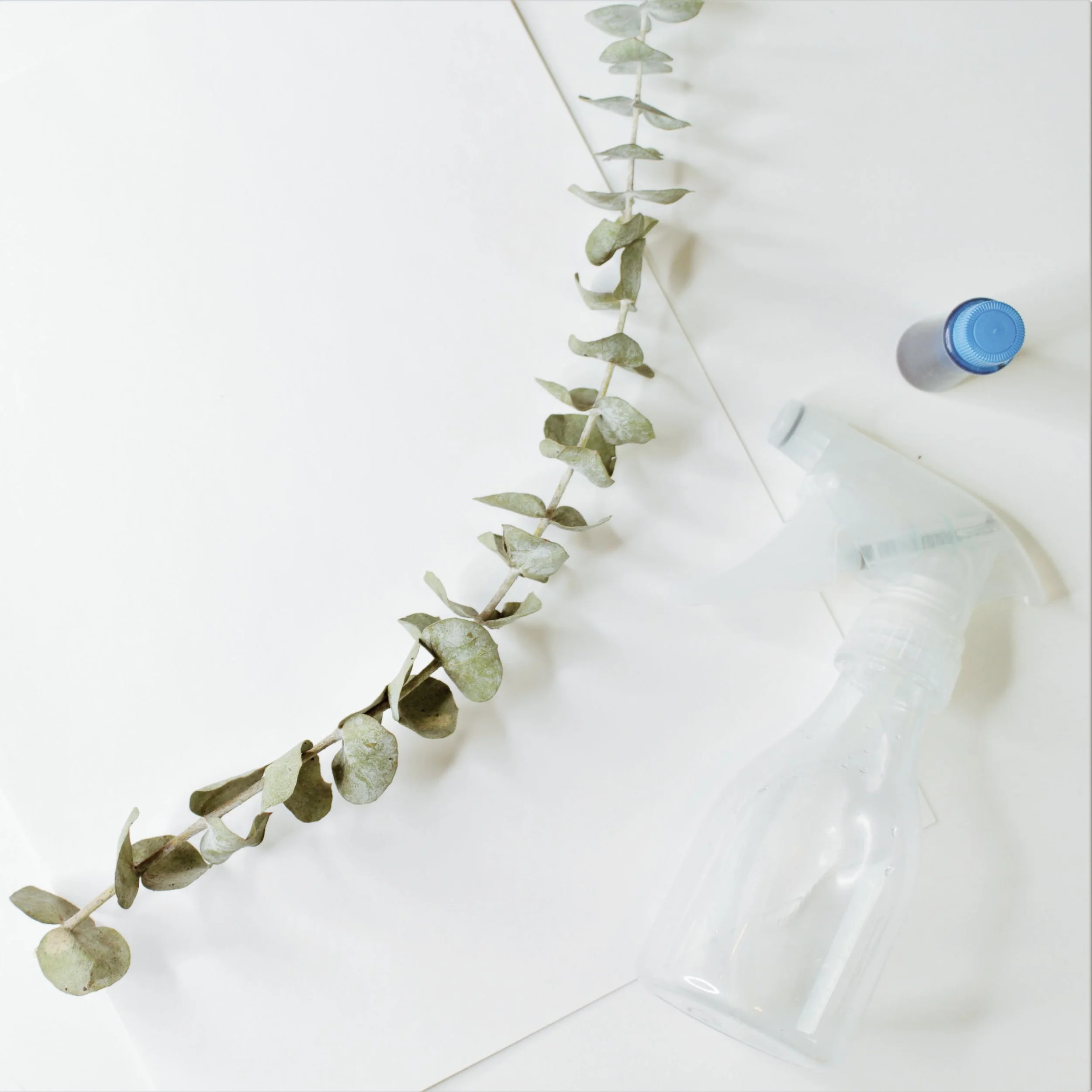
Spray bottle
Water
Blue food coloring or liquid watercolor paint
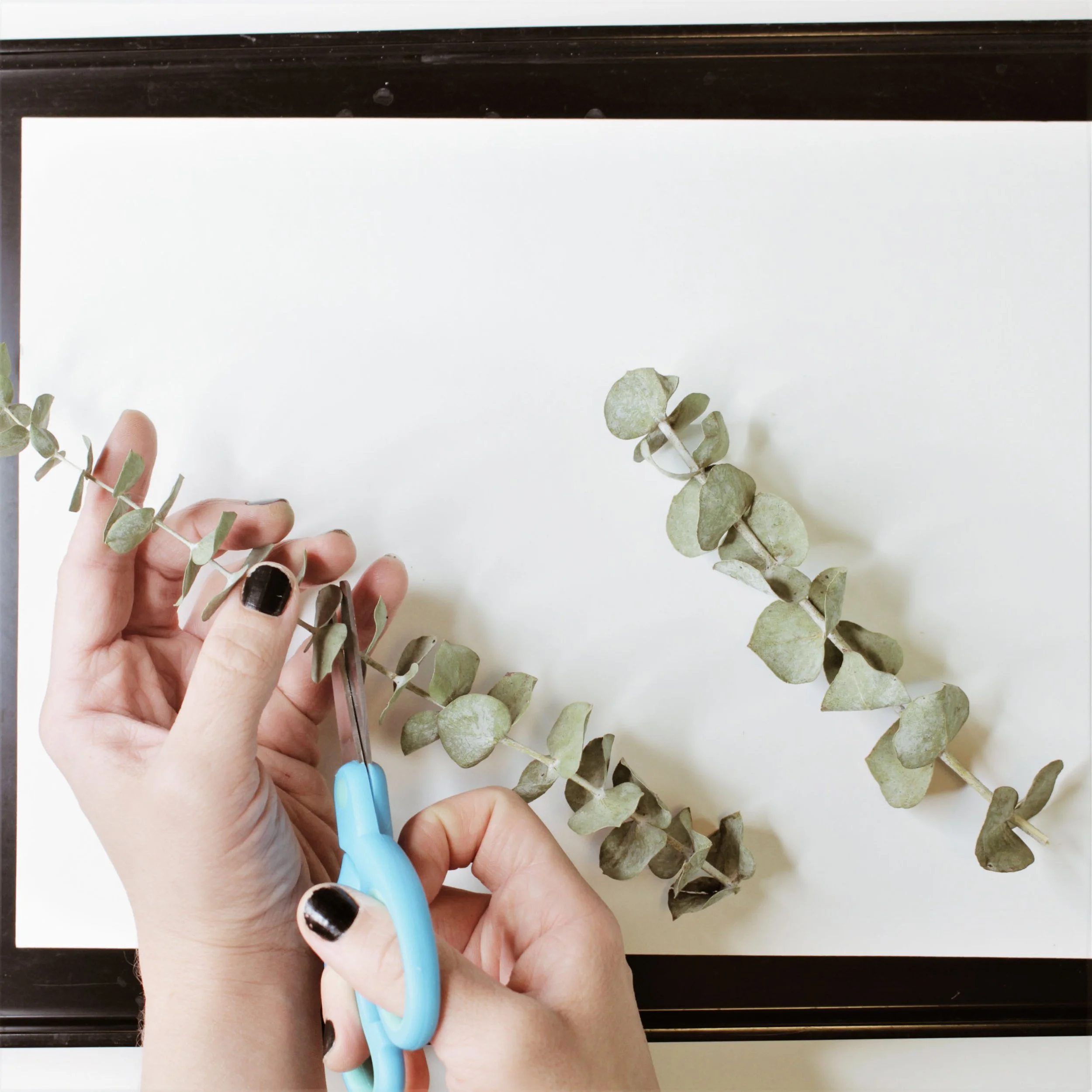
Natural materials: leaves, flowers, or ferns
Cookie tin, cake pan, or shallow box (optional but helpful)
Directions:
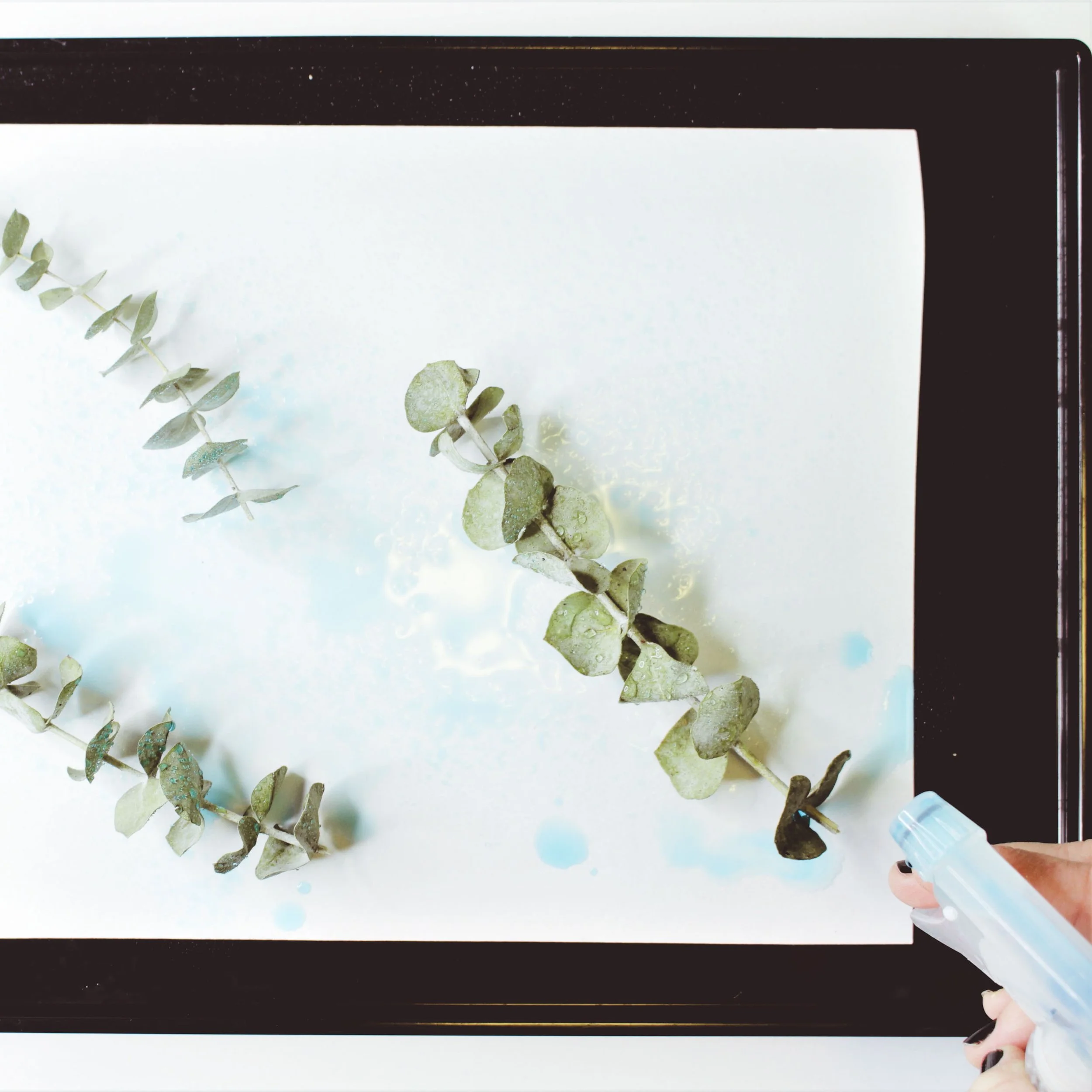
Prepare Your Workspace: Place your heavy paper inside a cookie tin, cake pan, or shallow box to contain any overspray.
Arrange Your Nature Finds: Place flowers, leaves, or other found objects onto the paper in a creative design.
Make Your Blue “Spray Paint”: Fill a spray bottle with water and add several drops of blue food coloring or liquid watercolor paint.
Spray Around the Shapes: Gently spray the paper with the blue mixture, covering the exposed areas while leaving the space beneath the objects untouched. This creates a negative space resist effect.
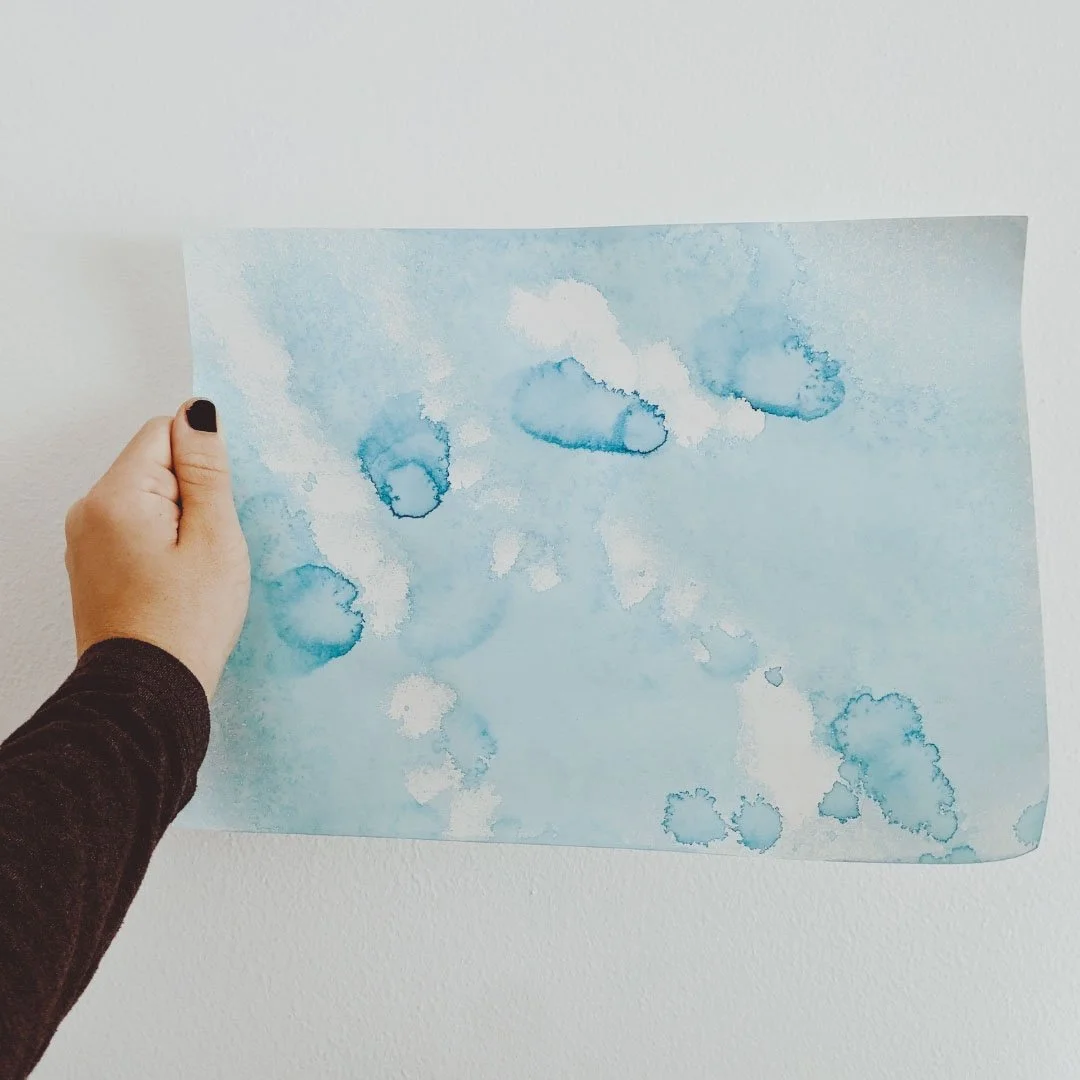
Let It Dry: Leave the painting to dry completely before removing the flowers and leaves to reveal your cyanotype-style silhouette art.